UK businesses are looking to grow, and Germany is a prime target. This guide will show why expanding into Germany is a smart move. We’ll look at the strong economy and varied consumer base.
Knowing how to set up a company in Germany is key. We’ll share tips on how to grow your business. With the right information, you can succeed in this new market.
Understanding the German Market
Getting to know the German market is key for businesses wanting to grow here. The German economy is the biggest in Europe. It’s powered by industries like cars, engineering, and chemicals. We’ll look into the market’s economic side and what consumers are like, which is vital for good market research in Germany.
Economic Overview
The German economy is strong and keeps growing. Important signs like GDP, job rates, and prices help investors understand it better. Germany’s solid industrial sector is the backbone of its economy. Knowing this helps businesses see the opportunities in Germany.
Consumer Trends
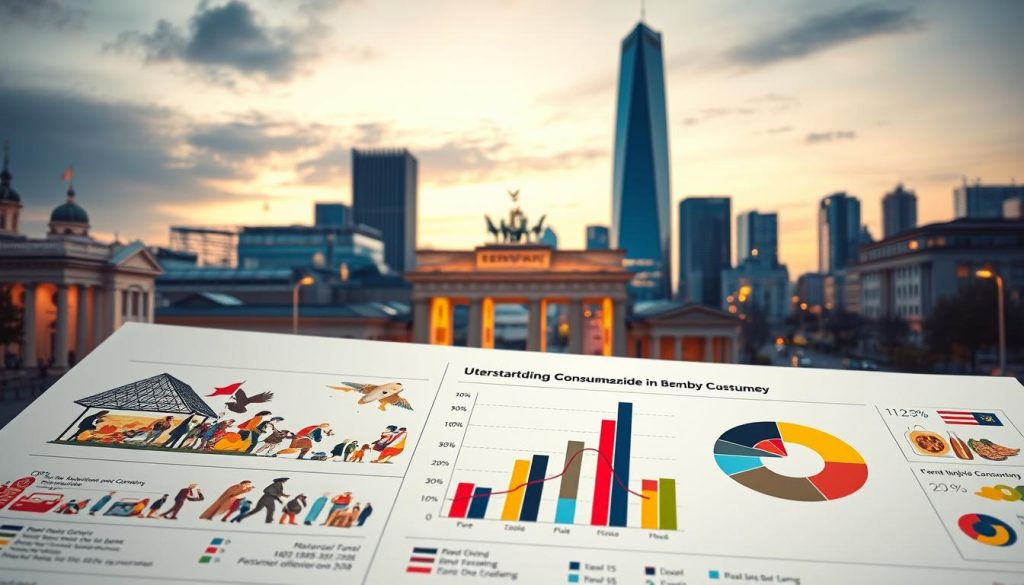
Looking into what Germans buy shows their love for quality and green products. More people are shopping online and want products that are good for the planet. It’s important to know these trends because they shape how businesses market and make products.
Legal Requirements for Company Formation
When you think about starting a company in Germany, knowing the legal rules is key. Germany has different company types, each with its own rules. These rules impact how we handle money, taxes, and who makes decisions for our businesses.
Company Types and Regulations
In Germany, you can choose from GmbH (Gesellschaft mit beschränkter Haftung) and AG (Aktiengesellschaft). A GmbH is good for small businesses, while an AG is for bigger ones that might want to go public. Each has its own benefits and challenges:
| Company Type | Liability | Taxation | Governance |
|---|---|---|---|
| GmbH | Limited to shareholder contributions | Corporate tax applies | Flexible management structure |
| AG | Limited to shareholder contributions | Corporate tax applies | Board of Directors required |
Registration Process and Documentation
The registration process in Germany has several steps to follow the law. First, you need to register at the local trade office, then at the commercial register. You’ll need the articles of association, proof of identity, and a registration form. It can be tricky; getting help from experts can make it easier.

Essential Steps to Expand Germany Business
To expand successfully in Germany, we need to understand the market well. We must do in-depth market research. This research helps us know about consumer behaviour, competitors, and opportunities.
This knowledge is key to making a strong business plan. It guides our operations and helps get the funding we need.
Market Research and Feasibility Study
Good market research in Germany is vital. It helps us see if our plans will work. We can use surveys, focus groups, and competitor analysis to get the right data.
A feasibility study for Germany is also important. It looks at legal, economic, and operational factors. These factors can affect our plans to expand.
Business Plan Development
A detailed business plan for Germany is a must. It guides our strategy and helps get funding. Our plan should include:
- Market analysis to show opportunities and threats
- Financial projections for revenue and costs
- Marketing strategies for the German market
By using our market research and feasibility study in the business plan, we boost our success chances. Our strategies will be informed and match the market well.

| Research Method | Description | Benefits |
|---|---|---|
| Surveys | Collecting quantitative data from customers. | Quick insights into consumer preferences. |
| Focus Groups | Qualitative discussions with target demographics. | In-depth understanding of customer thoughts. |
| Competitor Analysis | Reviewing competitors’ strengths and weaknesses. | Identifying market gaps and opportunities. |
Choosing the Right Business Structure
In Germany, picking the right business structure is key for any entrepreneur. It’s important to know the different options to make the best choice for your business. We’ll look at the GmbH and AG, each with its own benefits and challenges.
Overview of Business Structures
Germany has many legal structures for businesses. The main ones are:
- GmbH (Gesellschaft mit beschränkter Haftung): A limited liability company, known for its flexibility and protection.
- AG (Aktiengesellschaft): A public limited company, great for big businesses wanting to raise capital.
- OHG (Offene Handelsgesellschaft): A general partnership, where all partners have unlimited liability.
- KG (Kommanditgesellschaft): A limited partnership, with both general and limited partners, sharing responsibility.
Advantages and Disadvantages
Each structure has its own pros and cons. Let’s compare GmbH and AG to see their main differences:
| Aspect | GmbH | AG |
|---|---|---|
| Liability | Limited liability for shareholders | Limited liability for shareholders |
| Minimum Capital Requirement | €25,000 | €50,000 |
| Administrative Burden | Lower compared to AG | Higher, with strict regulations |
| Transparency | Less transparency required | Higher level of transparency and reporting |
| Funding Opportunities | Limited to private investors | Ability to raise funds through public markets |
When picking a business format, think about taxes, admin tasks, and growth. By considering these, we can choose the best structure for our business in Germany.
Company Formation Introduction
Starting a business in Germany needs a good understanding of the registration process. We’ll cover the key steps, common challenges, and solutions to help you in the German market.
Steps to Register a Business in Germany
Registering a business in Germany involves several important steps. First, choose the right business structure. Then, prepare all necessary documents and fill out the required forms. It’s important to follow local rules for a smooth start.
Common Challenges in Company Formation
Starting a business in Germany can face challenges like language barriers and complex rules. We need to understand cultural differences and deal with regulations. Using nominee services can help by providing support and making the process easier.
Utilising Nominee Services for Expansion
Nominee services can greatly help during the registration phase. For example, LerriHost offers help with administrative tasks, ensuring we follow the rules. This lets us focus on growing our brand in Germany.
Banking and Payment Processing Solutions
Choosing the right banking solutions is key for our business. It makes transactions smoother and builds trust with customers. Many German banks have special packages for foreign entrepreneurs, making it easier to find the right banking relationship.
Financial Services for Your German Business
Having strong financial services is essential for our growth. It helps us follow local laws and manage our finances well. Getting help with accounting and taxes can simplify our financial tasks and improve our efficiency.
SEO for WordPress to Enhance Visibility
Using WordPress SEO is vital for our online presence. It helps our website be seen in Germany and the UK, attracting more visitors. Good SEO practices can boost our visibility and engagement.
WordPress Design and Redesign Strategies
A good website design is important for attracting customers in Germany. Our website’s look and feel are key to drawing in visitors. So, making our site appealing and user-friendly is a top priority.
Importance of WordPress Maintenance
Keeping our WordPress site up to date is critical. It prevents security issues and ensures a smooth user experience. Regular updates are essential for our site’s longevity and performance.
Reliable WordPress Web Hosting Solutions
Choosing reliable web hosting in Germany is important. We need a host that offers high uptime and speed. This ensures our website is always available and runs smoothly, improving customer satisfaction.
Marketing Strategies to Grow Your Brand
To reach German consumers, we need to use targeted digital marketing. Exploring different marketing channels can help us grow our brand and engage with more people.
Networking and Building Relationships in Germany
Building local partnerships is key to our success in Germany. Connecting with industry professionals can open up new opportunities and partnerships. It’s essential for our growth.
Assessing Market Trends and Consumer Behaviour
We must keep an eye on market trends and consumer behaviour. Using the right tools helps us stay informed and adapt our strategy. This way, we can stay competitive in the market.
Ongoing Support for Your German Business
Having ongoing support, like from LerriHost, is very helpful. They offer administrative help and valuable insights. This support ensures we can handle the challenges of doing business in Germany.